
The Uncommon Mental Health Benefits of Thriving Plants
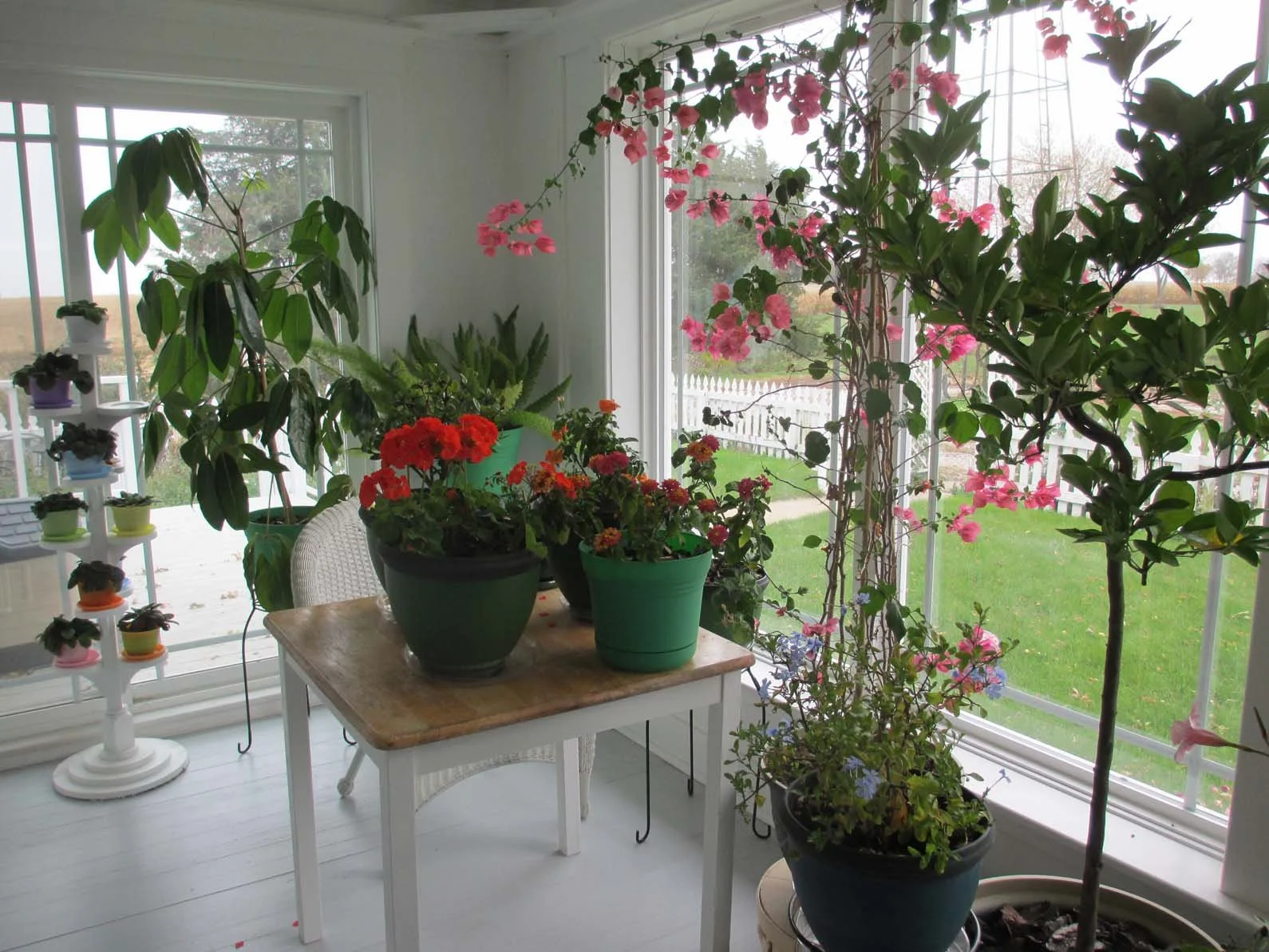
Most research about houseplants focuses on one simple idea:
plants are good for mental health.
But there’s a deeper question that rarely gets discussed:
Is there an emotional difference between merely keeping a plant alive… versus coming home to a plant that is visibly thriving?
Research suggests the answer is yes.
And the difference may be larger than most people realize.
Plants Are Already Linked to Reduced Stress and Improved Mood
Studies consistently show that indoor plants can positively affect:
stress levels
mood
emotional recovery
perceived comfort in a space
Research published in the Journal of Physiological Anthropology found that interacting with indoor plants reduced both:
psychological stress
physiological stress markers
Source:
https://jphysiolanthropol.biomedcentral.com/articles/10.1186/1880-6805-34-21
Other studies found indoor greenery can:
improve attention
increase perceived wellbeing
reduce mental fatigue
Source:
https://www.ncbi.nlm.nih.gov/pmc/articles/PMC4419447/
But Most Studies Treat “Having Plants” as Binary
A major limitation in the research is that plants are usually categorized simply as:
→ present or not present
The studies rarely distinguish between:
stressed plants
dying plants
thriving plants
Yet emotionally, these experiences are very different.
Why a Thriving Plant Feels Different
Humans naturally respond to signs of vitality.
Research in environmental psychology suggests that people respond positively to:
growth
color vibrancy
natural vitality
signs of life and health
A thriving plant communicates:
stability
growth
successful care
A struggling plant often communicates:
neglect
uncertainty
another unresolved task
The Hidden Stress of “Trying to Keep It Alive”
Many people experience low-level anxiety around houseplants.
Common thoughts:
“Did I water it too much?”
“Why are the leaves turning yellow?”
“Am I killing this thing?”
Instead of relaxation, the plant becomes:
→ a recurring stress reminder
Research on caregiving and environmental stress suggests that living systems can become psychologically burdensome when they feel difficult to maintain or repeatedly “fail.”
Source:
https://psycnet.apa.org/record/1991-24998-001
Thriving Plants Create Positive Feedback Loops
A healthy, vibrant plant creates reinforcement:
visible growth
new leaves
fuller appearance
stronger color
This produces:
satisfaction
pride
emotional reward
Research in behavioral psychology shows that visible positive feedback strengthens emotional attachment and maintenance behaviors.
Source:
https://www.ncbi.nlm.nih.gov/books/NBK553897/
In simple terms:
→ people enjoy caring for things that appear to flourish.
Why Visual Fullness Matters Psychologically
Sparse or declining plants often look:
unfinished
unhealthy
unstable
Thriving plants create the opposite effect:
richness
abundance
calm visual softness
Research on biophilic design suggests that healthy natural elements in indoor environments improve:
perceived comfort
emotional restoration
connection to nature
Source:
https://www.frontiersin.org/articles/10.3389/fpsyg.2021.714244/full
The Role of Consistency
Most plants decline not from one catastrophic mistake—but from inconsistent conditions.
Repeated cycles of:
overwatering
drying out
stress recovery
prevent plants from reaching stable growth.
This means many people only ever experience:
→ “maintenance mode” plants
instead of:
→ vibrant, actively growing plants
How the Bucket Oasis Changes the Emotional Experience
The Bucket Oasis doesn’t just reduce watering effort.
It changes the relationship between the person and the plant.
By stabilizing moisture:
plants experience less stress
growth becomes more consistent
foliage remains fuller and healthier
This reduces:
anxiety about watering timing
fear of accidental neglect
constant troubleshooting
And increases:
confidence
visual reward
emotional enjoyment
Why This Matters More Than Convenience
Convenience alone doesn’t create emotional attachment.
Visible thriving does.
Coming home to:
fresh growth
vibrant leaves
long cascading vines
healthy structure
creates a very different emotional response than:
yellow leaves
drooping stems
constant maintenance stress
One feels restorative.
The other feels like another responsibility.
Plants Should Reduce Stress—Not Create It
This may be the most important distinction.
The purpose of indoor plants is often:
comfort
beauty
emotional softness
connection to living systems
If keeping plants alive becomes stressful, much of that benefit disappears.
Research strongly supports the mental benefits of healthy indoor greenery.
What’s less studied—but highly intuitive—is that:
→ thriving plants likely amplify those benefits significantly.
The Takeaway
Research shows:
indoor plants improve mood and reduce stress
natural vitality positively affects human psychology
visible growth creates emotional reward
But there is likely a major emotional difference between:
struggling plants
andthriving plants
One creates uncertainty.
The other creates pride, calm, and satisfaction.
And in many cases, that difference starts below the soil—with whether the plant is experiencing stable, healthy conditions in the first place.
