


Your Questions, Answered
-
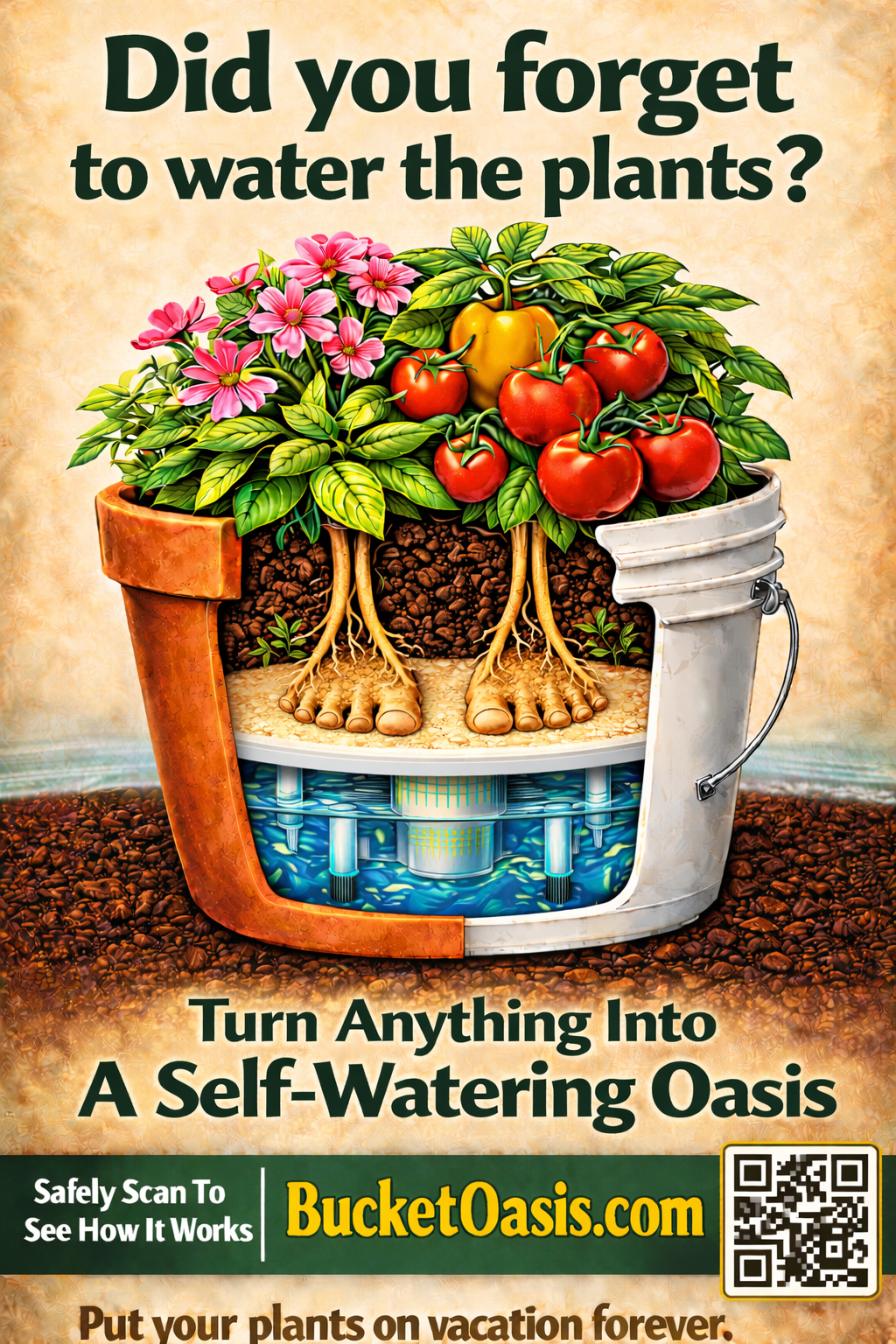
The insert works in many containers including buckets, nursery pots, decorative planters, and other non-porous containers that can hold a water reservoir. Perforated sections fit containers 8in - 14in.
-
Yes. The insert is designed to be trimmed or adjusted to fit many container sizes (round, square, triangular, etc.). Tear along perforations or use scissors. Some trimming is normal when fitting containers. However, vertical trimming reduces reservoir size and may shorten refill intervals.
-
Refill frequency depends on plant size, container size, sun exposure, and how much the insert is trimmed. Larger reservoirs typically last longer between refills. Customers using 5-gallon containers with moderate trimming reported average refilling every 3-6 weeks throughout the growing season.
-
Yes, but the holes must be sealed so the container can hold water. Common options include waterproof tapes, silicone caulking, rubber or cork plugs, or lining the bottom of the container with heavy-duty plastic.
-
The closed-cell PE foam structure can withstand long-term use in wet and submerged conditions. This specific PE foam is also naturally fungus and rot resistant. In typical conditions, the insert can last many seasons and often 5–10+ years.
-
Depending on the depth of the container and trimming of the float stick, you should use as many cylinder floats that ensure it float when water is present. Most users will use 2x floats at the end of the float stick.
-
Yes, all of the materials used for the Oasis are free of chemicals that could leach into the system. MSDS documents upon request.
-
Yes. The system works well indoors or outdoors.
-
As plants mature, roots often grow toward the water source. This is normal and can help plants access water more efficiently. No. The insert keeps soil elevated above the reservoir while allowing moisture to wick upward, helping maintain a balanced moisture level.
-
If the container is used outdoors, an overflow hole is recommended to prevent heavy rain from overfilling the reservoir.
-
No. The insert can remain in the container year-round. There is generally no need to remove or rinse it between seasons.
-
Small tears or separated sections can usually be reassembled using toothpicks or small wooden skewers as alignment pins.
-
You can drill a small drainage hole slightly below the top level of the insert to release excess water.