
From Survive to Thrive: How Consistent Watering Transforms Indoor Plants (Common & Exotic)
Most indoor plants don’t die overnight.
They slowly decline:
leaves lose color
growth stalls
edges brown
new growth becomes smaller or distorted
The plant is still alive—but not thriving.
In most cases, the difference between “surviving” and “thriving” comes down to one factor:
consistent root-zone moisture over time
Why Indoor Plants Struggle (Even With Good Care)
Indoor environments are inherently inconsistent:
HVAC systems dry the air
sunlight varies by season and placement
containers dry at different rates
But the biggest variable is watering.
Research shows that fluctuations in soil moisture directly affect root function, nutrient uptake, and overall plant health.
Source:
https://www.fao.org/3/i2800e/i2800e.pdf
Even attentive plant owners unintentionally create cycles:
overwatering → root stress
drying out → dehydration
repeated correction
This prevents plants from reaching stable growth.
The Difference Between “Alive” and “Thriving”
A thriving plant shows:
steady new growth
strong leaf color
consistent structure
resilience
A surviving plant shows:
slow or stalled growth
stress symptoms
The difference is stability.
Fiddle Leaf Fig (Ficus lyrata)
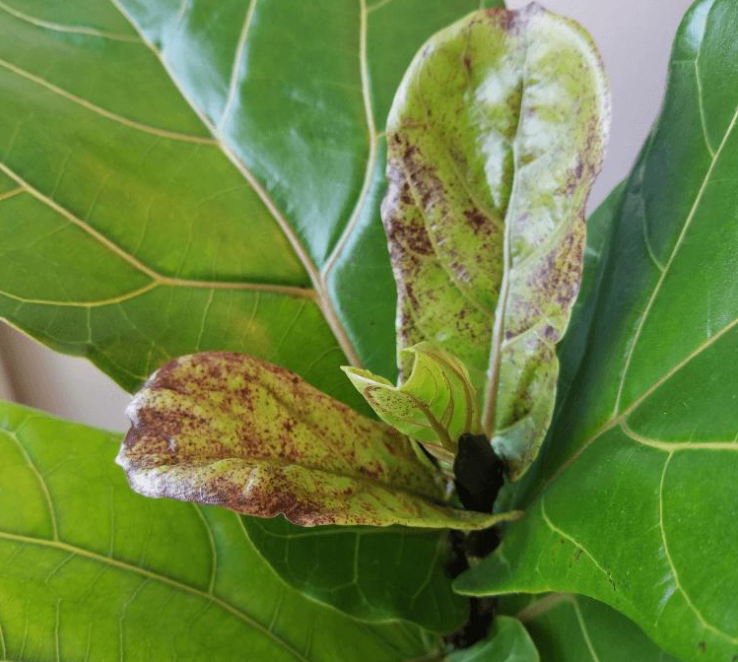
Common issues:
brown spots
leaf drop
inconsistent growth
Cause:
highly sensitive to moisture swings
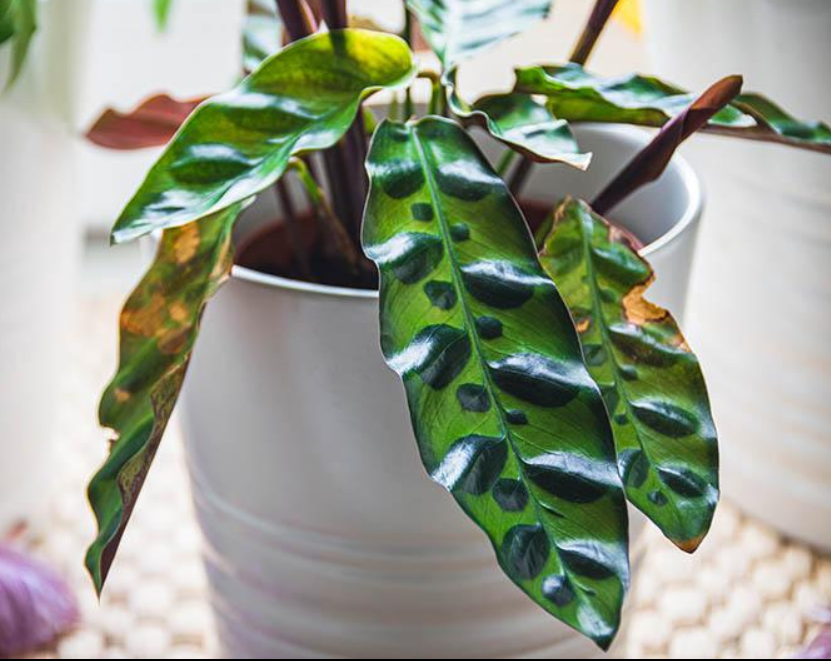
Calatheas and Marantas (Prayer Plants)
Common issues:
leaf curling
browning edges
fading color
Cause:
require consistently moist soil
react quickly to dry conditions
Orchids (Phalaenopsis)
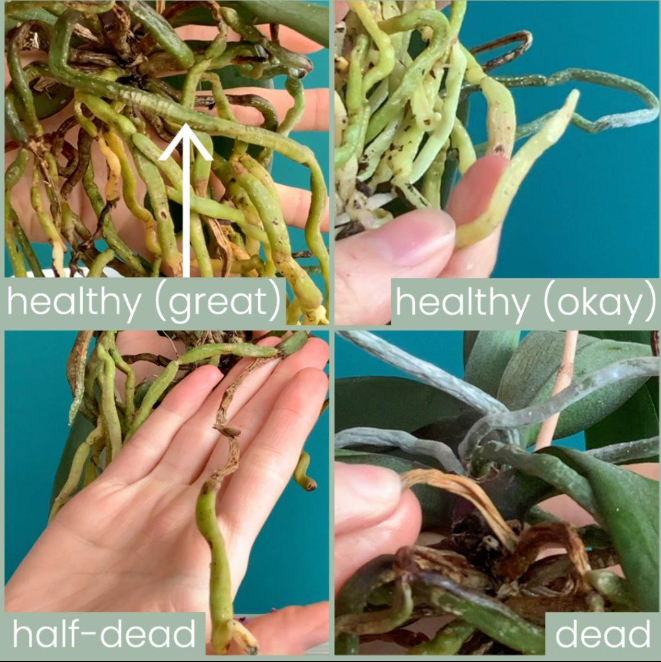
Common issues:
root rot
shriveled roots
bloom drop
Cause:
require precise moisture + airflow balance
Alocasia (Elephant Ear)
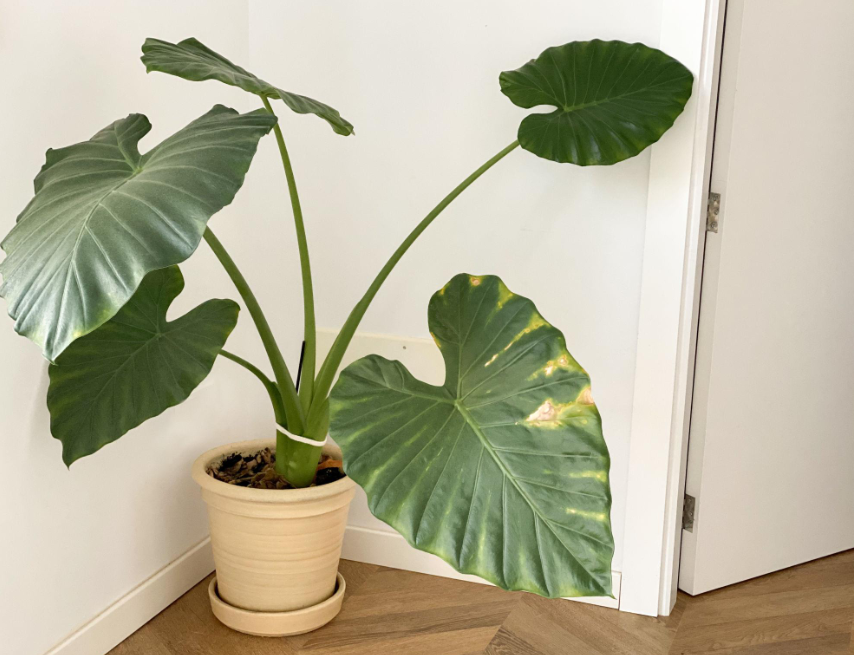
Common issues:
sudden leaf loss
inconsistent growth
Cause:
very sensitive to moisture fluctuations
Snake Plant (Sansevieria)
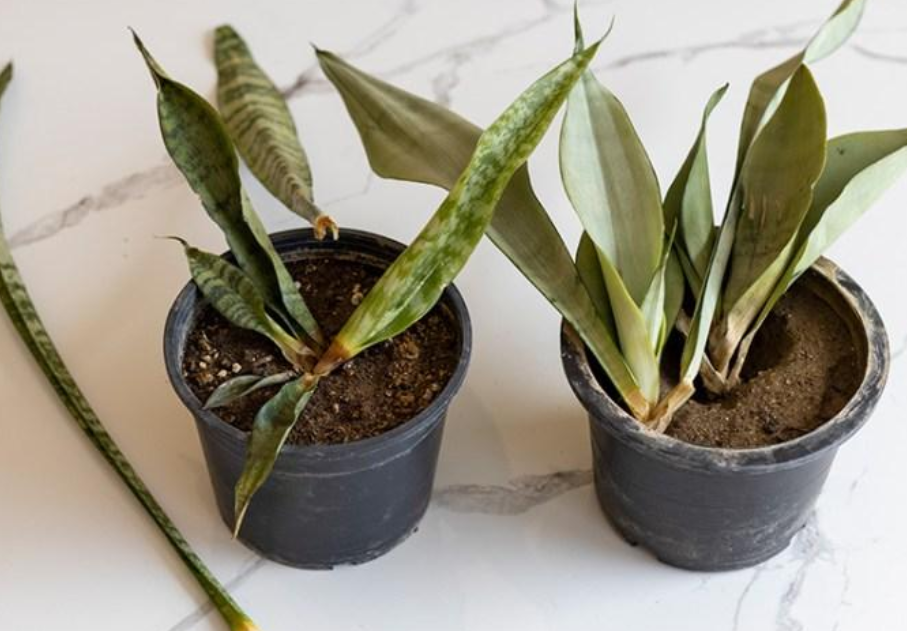
Common issues:
root rot (from overwatering)
Cause:
inconsistent watering habits
Even “easy” plants fail when watering is inconsistent.
How Consistent Moisture Changes Plant Behavior
When moisture stabilizes:
roots function continuously
nutrient uptake improves
growth becomes steady
Research shows stable moisture improves plant growth consistency and reduces stress.
Source:
https://www.sciencedirect.com/science/article/pii/S0304423805003262
How the Bucket Oasis Supports Thriving Conditions
The Bucket Oasis improves one of the most unstable variables: watering.
reservoir stores water below soil
wicks deliver moisture gradually
plants draw water as needed
This reduces:
overwatering spikes
dry-out periods
uneven moisture zones
What Changes in Real Use
For
