
Keeping Plants Alive vs Perfect Watering: What the Data Actually Shows (And How Much It Matters)
Everyone knows better watering helps plants grow.
The real question is:
how much better—and is it worth it?
Because if the difference is only 10%, it may not matter.
If it’s 50%+, that’s a completely different decision.
What “Keeping a Plant Alive” Actually Means (Quantitatively)
Most container plants are not thriving—they’re operating below potential.
Under inconsistent watering conditions, studies show:
10–30% reduction in biomass (total plant growth)
20–50% reduction in yield (fruiting plants)
Increased variability in plant size and health
This comes from repeated stress cycles:
saturation → oxygen loss
drying → water stress
Source:
https://www.sciencedirect.com/science/article/pii/S0304423805003262
What “Perfect Watering” Means in Measurable Terms
Perfect watering isn’t constant wetness—it’s stable moisture within an optimal range.
In controlled irrigation studies:
Plants under stable moisture conditions showed
→ 20–40% higher total biomassWater-use efficiency improved by
→ 15–35%Yield (vegetables) increased by
→ 20–60% depending on crop
Source:
https://www.fao.org/3/i2800e/i2800e.pdf
Why the Difference Is That Large
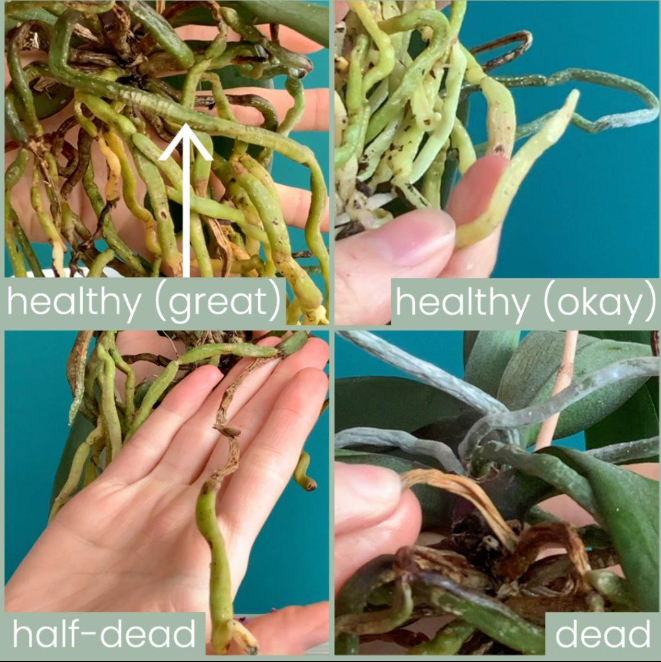
It’s not just hydration—it’s root performance over time.
With inconsistent watering:
roots shut down during saturation (low oxygen)
roots shut down during drought (low water)
plant spends energy recovering instead of growing
With stable moisture:
roots stay active continuously
nutrient uptake is uninterrupted
growth compounds over time
Real Plant Examples (With Expected Impact Ranges)
Tomatoes (High Sensitivity to Watering Consistency)
Inconsistent watering:
blossom end rot
fruit cracking
reduced yield
Measured impact:
→ up to 30–50% yield reduction
Consistent watering:
→ larger fruit, higher total yield
Source:
https://extension.umn.edu/vegetables/growing-tomatoes-home-garden
Leafy Greens (Lettuce, Spinach)
Inconsistent watering:
bitter taste
early bolting
reduced leaf mass
Measured impact:
→ 20–40% reduction in harvestable weight
Herbs (Basil, Parsley)
Inconsistent watering:
slower regrowth after harvest
smaller leaves
Measured impact:
→ 15–30% lower regrowth rate
Fiddle Leaf Fig (Indoor Example)
Inconsistent watering:
leaf drop
halted growth cycles
Not typically measured in yield, but:
→ growth often pauses entirely under stress cycles
Consistent moisture:
→ steady leaf production resumes
Calatheas (Moisture-Sensitive Indoor Plants)
Inconsistent watering:
leaf edge burn
curling
Impact:
→ reduced leaf surface area (functional growth loss)
Why Easy Plants Hide the Problem
Plants like:
snake plant
pothos
ZZ plant
Show minimal visible decline.
But even these show:
→ ~10–25% slower growth under inconsistent watering
They survive—but don’t optimize.
What This Means in Real Terms
Let’s translate that into something tangible:
A 5-gallon tomato container:
Poor / inconsistent watering → ~8 lbs
Stable moisture → ~12–15 lbs
That’s:
→ 50–80% more output from the same plant
Where Most People Lose This Gain
Not from:
bad soil
wrong fertilizer
But from:
inconsistent watering timing
uneven moisture distribution
dry/wet cycling
This is the largest controllable variable.
How the Bucket Oasis Closes the Gap
The Oasis doesn’t “increase plant potential”—it helps plants reach their existing potential.
By:
maintaining consistent moisture
reducing dry-out cycles
minimizing oxygen loss from saturation spikes
It targets the exact factor responsible for:
→ 20–60% performance loss in typical container setups
What Improvement Should You Expect?
Realistically:
Beginner → optimized system
→ 20–50% improvementAlready experienced grower
→ 10–25% improvementHigh-density / high-yield setups
→ potentially higher gains due to reduced competition stress
The Takeaway
This isn’t about small optimization.
The data shows:
inconsistent watering can reduce performance by 20–60%
stable moisture can recover most of that loss
So the real question becomes:
Not “does watering matter?”
But:
is recovering 20–50% more growth or yield worth it?
Because that’s the scale of impact consistency can have.
And in container gardening, consistency is the hardest part to achieve manually.
