
Mobile Container Gardening: The Right Plants to Move (And When to Move Them)
One of the biggest advantages of container gardening isn’t just flexibility—it’s control.
But most people don’t fully use it.
Plants are often placed once and left there, even as conditions change dramatically throughout the year.
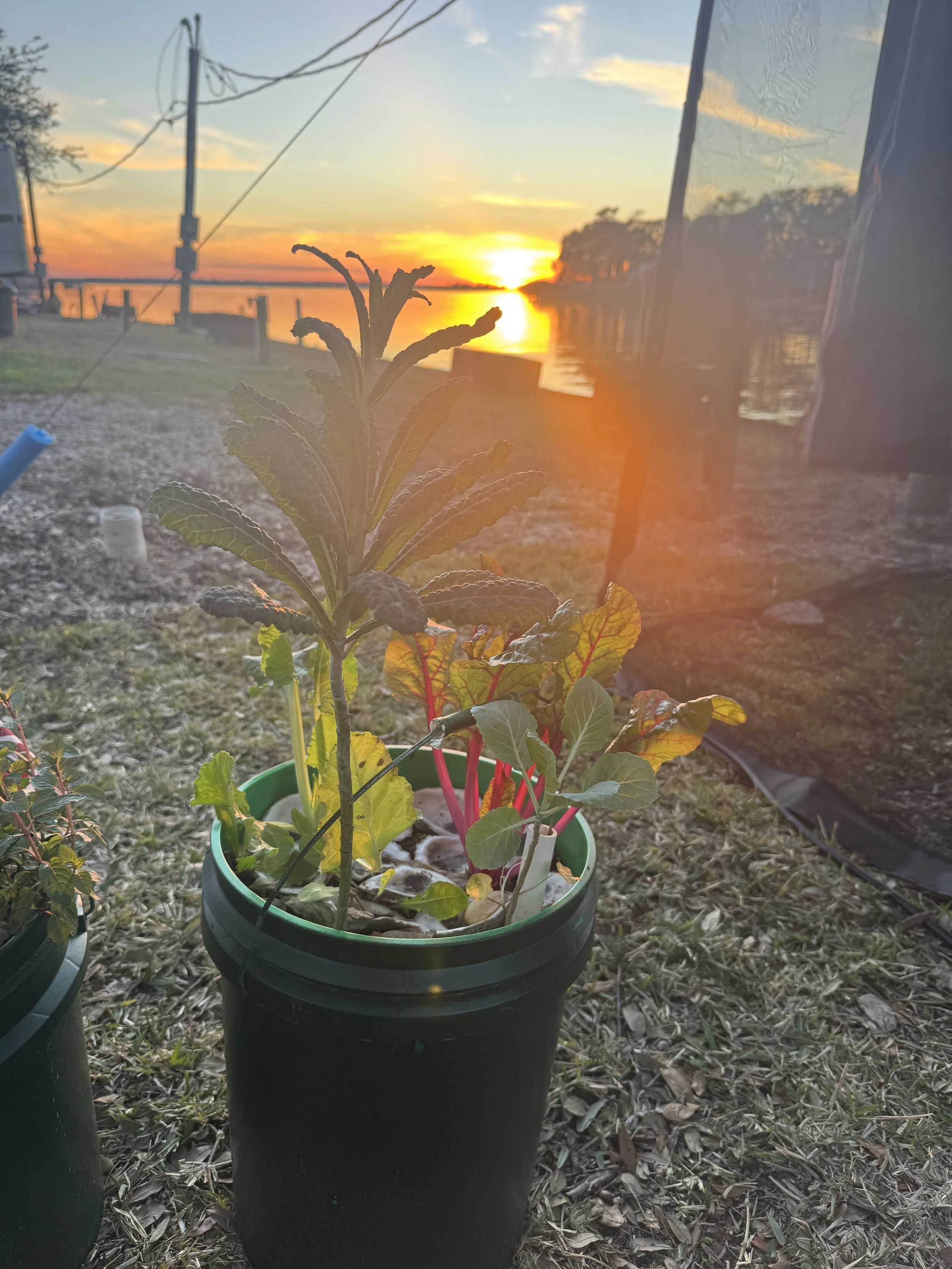
The result:
reduced growth
seasonal stress
plants that survive—but don’t thrive
Mobility allows you to match plants to changing conditions in real time.
Why Plants Need to Be Moved Throughout the Year
Environmental conditions are not constant.
They shift daily and seasonally:
sunlight angles change
temperatures fluctuate
weather becomes unpredictable
Research shows that plant performance is highly dependent on microclimate conditions, including light exposure and temperature variation.
Source:
https://www.fao.org/3/i2800e/i2800e.pdf
Even a few feet—or a change from indoors to outdoors—can significantly impact plant health.
Indoor Plants: The Winter Light Problem
During winter, sunlight intensity drops and angles change.
In many homes:
windows that provided strong light in summer become low-light zones
daylight hours are shorter
indirect light becomes insufficient for many plants
Without adjustment:
growth slows or stops
leaves drop
plants become leggy or weak
Common indoor plants that require repositioning:
Fiddle Leaf Fig
Needs bright, consistent light
Often must be moved closer to windows in winter
Monstera
Tolerates lower light but slows significantly
Benefits from seasonal repositioning
Snake Plant
Survives low light but grows better with increased exposure
Succulents
Require high light year-round
Often fail indoors in winter without relocation
Source:
https://extension.umn.edu/houseplants
Outdoor Plants: Spring and Fall Frost Risk
Early spring and late fall introduce unpredictable cold events.
Frost can:
damage leaf tissue
kill young plants
stunt growth
Container plants are especially vulnerable because:
roots are not insulated by ground soil
containers cool faster than the earth
Mobility allows you to:
bring plants indoors overnight
move them to protected areas
avoid sudden temperature drops
Source:
https://extension.umn.edu/planting-and-growing-guides/protecting-plants-frost
Summer Heat: When Sun Becomes Too Much
In peak summer:
containers heat rapidly
soil temperatures can exceed safe ranges
water demand increases dramatically
Some plants that benefit from relocation:
Leafy Greens (lettuce, spinach)
prefer cooler conditions
bolt or become bitter in heat
Herbs (cilantro, parsley)
can struggle in intense afternoon sun
Peppers and Tomatoes (young plants)
may need temporary shade during extreme heat
Moving plants:
from full sun → partial shade
away from heat-reflective surfaces
can significantly reduce stress
Source:
https://extension.psu.edu/container-gardening
Severe Weather: Hail, Wind, and Storms
Outdoor containers are exposed.
Risks include:
hail damage
broken stems from wind
soil washout from heavy rain
Mobility allows you to:
move plants under cover
bring them indoors temporarily
protect them during storms
This is one of the biggest advantages over in-ground gardening.
Why Mobility Alone Isn’t Enough
Moving plants changes their environment—but it also changes:
water demand
evaporation rate
drying speed
For example:
moving from shade → sun increases water use
bringing plants indoors reduces evaporation
This can create new stress if watering isn’t consistent.
How the Bucket Oasis Supports Mobile Planting
Mobility works best when water remains stable.
The Bucket Oasis helps maintain that stability even as conditions change.
A reservoir provides continuous water availability without saturating or drying out the soil.
Wicks regulate moisture delivery allowing Plants to adjust uptake based on new conditions.
This means:
less shock when relocating plants
reduced risk of drying out in new environments
no need for you to worry about adjustments required after moving
Real-World Seasonal Movement Examples
Move indoor plants closer to south-facing windows in winter
Bring outdoor plants indoors during spring frost warnings
Shift containers to partial shade during extreme summer heat
Protect plants from storms by relocating them temporarily
These small changes can significantly improve plant performance.
The Takeaway
Plants don’t need to stay in one place.
In fact, they perform better when their environment adapts to seasonal changes.
Research shows that light, temperature, and exposure all impact plant growth—and these variables are constantly changing.
Container gardening gives you the ability to respond.
When paired with a system that stabilizes water, mobility becomes a powerful tool for:
improving growth
reducing stress
extending plant life
Because the best growing environment isn’t fixed.
It moves with the conditions.
