
Why Most First-Time Gardeners Fail (And How to Set Up a System That Actually Works)
Starting a container garden seems simple.
Buy a plant. Add soil. Water it. Watch it grow.
But for many first-time gardeners, the reality looks different:
plants wilt unexpectedly
leaves turn yellow or brown
growth stalls
and eventually… the plant dies
This happens so often that many people assume they’re just “bad with plants.”
They’re not.
The problem isn’t effort—it’s the system.
The Most Common Beginner Mistakes (And Why They Happen)
Most plant failures come down to a few repeat issues:
Overwatering
Underwatering
Poor soil quality
Improper containers or drainage
The frustrating part is that these problems often look the same.
Drooping leaves, discoloration, slow growth—these symptoms can point to completely opposite causes.
Research and extension guidance confirm that watering mismanagement is one of the most common causes of plant failure in containers.
Source:
https://extension.umn.edu/planting-and-growing-guides/watering-container-plants
Why Watering Is Harder Than It Sounds
Watering isn’t just about adding water—it’s about timing, quantity, and consistency.
In containers:
Soil dries faster than in-ground
Temperature and sunlight change daily water needs
Different plants require different moisture levels
This makes watering unpredictable.
Even experienced gardeners don’t follow strict schedules—they adjust constantly based on conditions.
For beginners, this creates guesswork.
The Overwatering vs Underwatering Trap
One of the biggest challenges is that both problems look similar.
Overwatering:
Roots sit in saturated soil
Oxygen levels drop
Leaves turn yellow and droop
Underwatering:
Soil dries out
Roots can’t absorb nutrients
Leaves wilt and crisp
Because the symptoms overlap, beginners often respond incorrectly—watering more when they should water less, or vice versa.
This cycle leads to rapid plant decline.
Source:
https://hgic.clemson.edu/factsheet/watering-plants/
Soil and Containers Make the Problem Worse
Not all soils behave the same.
Cheap or poor-quality mixes can:
dry unevenly
repel water when dry
hold too much moisture in some areas
Container choice also matters:
small pots dry quickly
poor drainage traps water
inconsistent materials affect moisture retention
Research shows that soil structure and water movement directly impact root health and plant growth.
Source:
https://www.fao.org/3/i2800e/i2800e.pdf
The Real Issue: Inconsistency
Most beginner problems come down to one core issue:
inconsistent conditions.
Plants don’t fail because of one mistake—they fail because their environment keeps changing.
Wet → dry → wet cycles
Nutrients washing out, then concentrating
Roots constantly adapting instead of growing
Plants thrive in stability—not perfection.
What a “Good System” Actually Looks Like
Instead of relying on perfect habits, successful container gardening is built on systems that reduce variability.
A strong setup includes:
soil that balances moisture and airflow
containers that support proper drainage
consistent access to water
predictable nutrient availability
When these are in place, plants become much easier to manage.
How the Bucket Oasis Simplifies the Hardest Part
The biggest challenge for beginners is maintaining consistent watering.
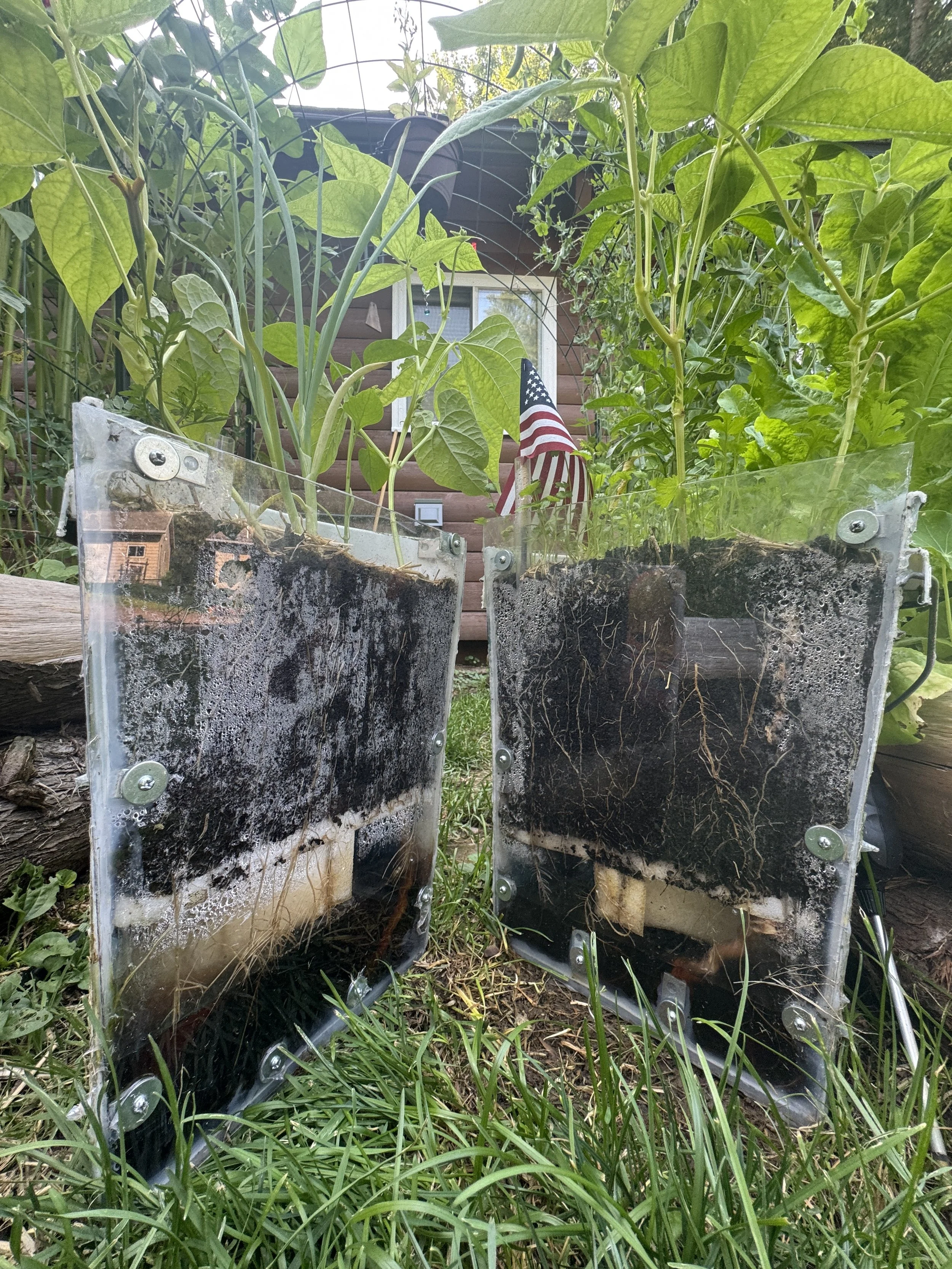
The Bucket Oasis addresses this directly by changing how water is delivered.
A built-in reservoir stores water below the soil
Cotton wicks move moisture upward gradually
Plants draw water based on need—not timing
This removes:
daily watering guesswork
overwatering spikes
dry-out periods
Instead of reacting to plant stress, the system maintains a more stable environment.
Why This Changes the Outcome for Beginners
When watering becomes consistent:
roots develop more naturally
soil stays within a healthier moisture range
plants experience less stress
For a beginner, this means:
fewer mistakes
more predictable results
higher success rates
The skill required drops significantly—not because gardening becomes easier, but because the system does more of the work.
Start With the System, Not Just the Plant
Most first-time gardeners focus on the plant itself.
But long-term success comes from building the right environment.
good soil
proper container
consistent water
Get those right, and most plants will do the rest.
The Takeaway
If your plants have struggled before, it’s not because you “don’t have a green thumb.”
It’s because the system relied too much on precision and timing.
Plants don’t need perfection.
They need consistency.
And when consistency is built into the setup, success becomes much more likely—especially for beginners.
