
Container Gardening for Busy People: A Low-Maintenance Setup That Actually Works
For many people, the biggest barrier to gardening isn’t interest—it’s time.
Between work, travel, and daily responsibilities, maintaining a consistent plant care routine can feel unrealistic. And when plants depend on perfect timing, they often suffer.
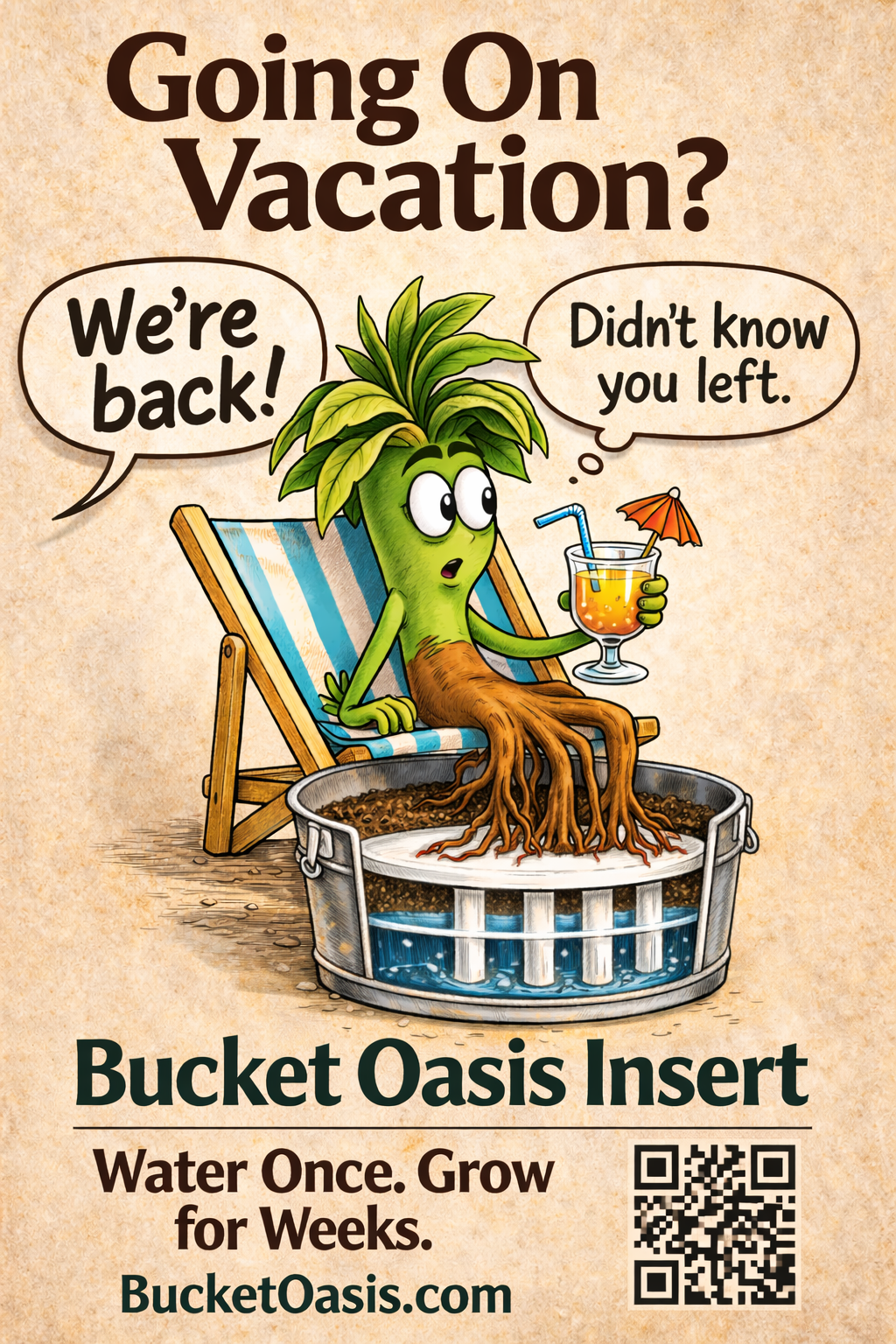
The good news: container gardening doesn’t have to be high-maintenance. With the right setup, it can be predictable, efficient, and surprisingly low effort.
Why Traditional Plant Care Doesn’t Fit Busy Schedules
Most plant care advice assumes you can:
check soil moisture daily
water on a consistent schedule
adjust based on weather and plant condition
In reality, most people:
forget to water
overcorrect when they remember
travel or get busy for days at a time
Research and extension guidance show that container plants require more frequent attention than in-ground plants due to faster drying and limited soil volume:
Source:
https://extension.umn.edu/planting-and-growing-guides/watering-container-plants
This mismatch between plant needs and human schedules is where problems begin.
The Real Goal: Reduce Maintenance, Not Increase Discipline
Many beginners try to solve plant problems by being more disciplined.
But a better approach is to reduce the number of things that require attention.
A low-maintenance system focuses on:
fewer daily decisions
more stable conditions
built-in consistency
This shifts plant care from “active management” to “passive support.”
The 4-Part Low-Maintenance Container Setup
A reliable, low-effort container system comes down to four key components:
Right-Sized Container
Larger containers (10–14 inches) hold more soil
More soil = slower drying
Reduces watering frequency
Balanced Soil Mix
40% peat or coco coir
30% compost
20% perlite
10% bark
This provides moisture retention with proper drainage.
Source:
https://extension.psu.edu/container-gardening
Slow-Release Fertilizer
Apply once every 8–12 weeks
Reduces need for frequent feeding
Source:
https://hgic.clemson.edu/factsheet/container-gardening/
Consistent Water Source
The most critical and most commonly overlooked factor
Why Watering Is the Biggest Time Burden
Watering is not just frequent—it’s unpredictable.
Container plants can dry out:
in 1–2 days during hot weather
faster in small pots
unevenly depending on soil and plant type
This forces constant checking.
Research shows that soil moisture variability directly impacts plant stress and growth consistency:
Source:
https://www.fao.org/3/i2800e/i2800e.pdf
For busy people, this is the breaking point.
How to Make Watering Low-Maintenance
Instead of watering more often, the goal is to make watering more consistent.
Systems that provide continuous or buffered water supply:
reduce frequency
reduce variability
improve plant stability
Wick-based irrigation systems, for example, allow plants to draw water as needed and maintain more stable moisture levels.
How the Bucket Oasis Fits Into a Low-Maintenance Setup
The Bucket Oasis is designed to reduce the most time-sensitive part of plant care: watering.
A bottom reservoir stores water for extended periods
Cotton wicks deliver moisture gradually into the soil
Plants pull water based on demand
This changes the daily routine:
Instead of:
checking soil constantly
guessing when to water
dealing with dry/wet cycles
You get:
a more stable moisture baseline
fewer interventions
more predictable plant behavior
For someone with a busy schedule, this removes the highest-friction task.
Real-World Benefits for Busy Lifestyles
With a low-maintenance setup:
Plants can go several days without attention
Travel becomes less risky
Missed watering doesn’t immediately cause damage
Care becomes occasional instead of constant
This aligns better with real-life routines.
What Plants Work Best in Low-Maintenance Containers
Some plants are naturally better suited for low-effort setups:
Herbs: basil, thyme, parsley
Leafy greens: lettuce, kale
Compact vegetables: cherry tomatoes, peppers
Hardy ornamentals: marigolds, geraniums
These plants tolerate minor variability and respond well to consistent baseline conditions.
What to Avoid (If You Want Low Maintenance)
Small containers (dry too quickly)
High-drainage soils without moisture retention
Plants with extreme water needs
Systems that rely on daily manual input
These increase the workload significantly.
The Takeaway
Container gardening doesn’t have to be time-consuming.
The key is not working harder—it’s designing a system that reduces variability and effort.
Research and real-world results show that:
consistent moisture improves plant health
larger containers reduce maintenance frequency
passive watering systems reduce user error
For busy people, success comes from removing the need for constant attention.
Because when the system handles the consistency, plant care becomes something that fits into your life—not something that competes with it.
